
Trending
This story is from September 23, 2012
Shooting starter: Photography tips for food bloggers
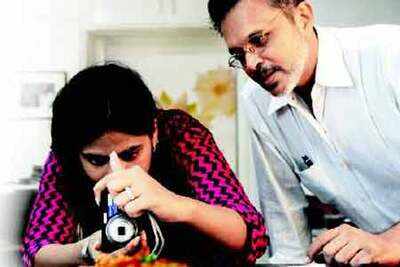
Incessantly flooding cyberspace with food photographs has become a popular hobby. One food blogger learns how to snap right
Incessantly flooding cyberspace with food photographs has become a popular hobby. One food blogger learns how to snap right
Everyone has that annoying bakerfriend who sets our sweet tooth on fire every time she posts images of luscious-looking Today’s Specials. Everyone also has that foodie-friend whose frequent restaurant visits cram their timelines. Then we have the home cooks who pictorially tease us with craftily plated dishes. The gateway to turn this food obsession into an online success lies in getting the pictures right. Photographer Viren Desai helps shutter-happy food blogger Arina Suchde with some tips on how to make her pictures look as good as her food tastes.
Thai Green Noodle salad
This shot lacks light. Here, the subject, the bowl of noodles, looks too small on a large white background. Arina’s choice of bowl is effective (the dark bowl against the white background) and the chopsticks work well as props. However, it should have been filled more evenly with food. With a dish such as noodles, one must emphasise natural characteristics — like the twirl. We did this with the help of more natural light and getting a tighter shot of the bowl. The vegetables, which add interesting colour notes to the picture, are strategically placed on top to make the food look fresh.
Arina has chosen a good angle to shoot this one. However, since the glass is not well lit, the image looks flat and dull. This lack of lighting has also affected the natural colours of the drink. The straw doesn’t work as a prop. Its blue colour, plastic feel and untidy shape doesn’t compliment the drink. A glass with more character could have been used. With extra light, the subtle sunny colours and various components (pieces of lemongrass) of the drink are more visible. Since this dish uses no props, the focus is on the lemongrass to add drama to the picture. We have also added ice to show the temperature of the drink, which will help tempt the viewer.
Vegetable fritters
The best time to shoot fritters or any other fried dish is when they are freshly out of fire, since oily food becomes soggy easily. These fritters have travelled before being plated, which has affected their texture. Arina’s choice of a white textured background shows off the yellow platter well. White enhances the yellow of the plate but since the fritters are also yellow, a lighter shade of plate could have been used.
Since fritters have an interesting texture, we changed the top angle from the first image and went a little lower. This way the garnish and bumpy exterior of the dish was highlighted. The plate is kept at a slant which adds depth to the photograph. Since the first shot lacked natural light, we added some to get a sharper and clear picture.
1. If the dish has a show-worthy texture, shoot it from a lower angle. This helps capture the texture of the ingredients. Minute details such as chilli flakes can also be caught this way.
2. If your presentation has sauces and garnish spread across the dish, a top angle works well. This presentation style is common with French food.
3. Choose backgrounds wisely. Food plates or foods that are white in colour look good against a bright background. Experiment with contrasts or shades from the same family. For instance, a green asparagus soup placed on a deep green background will look good.
4. If you are cooking mainly for good pictures, undercook the ingredients. Overcooked food flops easily. Ensure that delicate ingredients such as salad leaves and cottage cheese don't wilt or break.
5. Choose the best of the bunch when using basil, coriander or any other leaves for garnish. Black, brown or wilted ones will spoil the picture.
6. Include an element of action — a slice of pizza could ooze cheese or a cup of coffee could spill cream — to make the shot look dynamic.
7. Make a homely dish of comfort food look as real as possible. Half-eaten pieces of food or scattered crumbs make the picture realistic.
mirrorfeedback@indiatimes.com
Everyone has that annoying bakerfriend who sets our sweet tooth on fire every time she posts images of luscious-looking Today’s Specials. Everyone also has that foodie-friend whose frequent restaurant visits cram their timelines.
Thai Green Noodle salad
This shot lacks light. Here, the subject, the bowl of noodles, looks too small on a large white background. Arina’s choice of bowl is effective (the dark bowl against the white background) and the chopsticks work well as props. However, it should have been filled more evenly with food. With a dish such as noodles, one must emphasise natural characteristics — like the twirl. We did this with the help of more natural light and getting a tighter shot of the bowl. The vegetables, which add interesting colour notes to the picture, are strategically placed on top to make the food look fresh.
Orange, Lemongrass and Ginger cooler
Arina has chosen a good angle to shoot this one. However, since the glass is not well lit, the image looks flat and dull. This lack of lighting has also affected the natural colours of the drink. The straw doesn’t work as a prop. Its blue colour, plastic feel and untidy shape doesn’t compliment the drink. A glass with more character could have been used. With extra light, the subtle sunny colours and various components (pieces of lemongrass) of the drink are more visible. Since this dish uses no props, the focus is on the lemongrass to add drama to the picture. We have also added ice to show the temperature of the drink, which will help tempt the viewer.
Vegetable fritters
The best time to shoot fritters or any other fried dish is when they are freshly out of fire, since oily food becomes soggy easily. These fritters have travelled before being plated, which has affected their texture. Arina’s choice of a white textured background shows off the yellow platter well. White enhances the yellow of the plate but since the fritters are also yellow, a lighter shade of plate could have been used.
Since fritters have an interesting texture, we changed the top angle from the first image and went a little lower. This way the garnish and bumpy exterior of the dish was highlighted. The plate is kept at a slant which adds depth to the photograph. Since the first shot lacked natural light, we added some to get a sharper and clear picture.
1. If the dish has a show-worthy texture, shoot it from a lower angle. This helps capture the texture of the ingredients. Minute details such as chilli flakes can also be caught this way.
2. If your presentation has sauces and garnish spread across the dish, a top angle works well. This presentation style is common with French food.
3. Choose backgrounds wisely. Food plates or foods that are white in colour look good against a bright background. Experiment with contrasts or shades from the same family. For instance, a green asparagus soup placed on a deep green background will look good.
4. If you are cooking mainly for good pictures, undercook the ingredients. Overcooked food flops easily. Ensure that delicate ingredients such as salad leaves and cottage cheese don't wilt or break.
5. Choose the best of the bunch when using basil, coriander or any other leaves for garnish. Black, brown or wilted ones will spoil the picture.
6. Include an element of action — a slice of pizza could ooze cheese or a cup of coffee could spill cream — to make the shot look dynamic.
7. Make a homely dish of comfort food look as real as possible. Half-eaten pieces of food or scattered crumbs make the picture realistic.
mirrorfeedback@indiatimes.com
End of Article
FOLLOW US ON SOCIAL MEDIA





Photostories
lifestyle videos

Featured In Lifestyle
Popular Categories
Entertainment NewsBollywood NewsTollywood NewsKollywood NewsMollywood NewsMovie ReviewsLatest Hindi MoviesLatest Tamil MoviesMX PlayerParenting TipsHome RemediesWeight LossBeauty TipsParenting TipsHindi VideosHindi Video SongsBhojpuri Music VideosLatest Telugu MoviesBhojpuri Music VideoHindi TV News
Trending in Entertainment
Latest MoviesBollywood MoviesHollywood MoviesTamil Movies 2024Telugu Movies 2024Malayalam Movies 2024Kannada Movies 2024Marathi Movies 2024Bengali Movies 2024Top Rated Movies 2024Best Hindi MoviesBest English MoviesBest Telugu MoviesBest Tamil MoviesBest Malayalam MoviesBest Kannada MoviesBest Bengali MoviesUpcoming Hindi MoviesBest Movies Of All TimeBest Hindi Movies of All Time
Trending in Etimes
Horoscope TodayNumerology Predictions TodayKamala HarrisHezbollah Pager ExplosionBarron TrumpElon MuskTupperware BankruptcyJustin TrudeauTrump Town Hall Key TakeawaysGermany NewsDonald Trump RallyPrince HarryKamala HarrisSituationship TipsFull Moon in September 2024Relationship TipsSean DiddyMiley CyrusAtishi Marlena
Trending in TV
Trending in Lifestyle
Trending in Regional
Movie Reviews
Berlin ReviewThe Buckingham Murders ReviewSpeak No Evil ReviewVisfot ReviewThalapathy Is The G.O.A.T ReviewRebel Ridge ReviewDetective Conan vs. Kid the Phantom Thief ReviewBeetlejuice Beetlejuice ReviewPad Gaye Pange ReviewA Wedding Story ReviewThe Diary Of West Bengal ReviewTikdam ReviewKinds Of Kindness ReviewAfraid Review
Upcoming Hindi Movies
Latest News
Zilla Fatu Reacts to Armando Estrada's Contract Signing with WWEChandrayaan-4, Venus Mission, New-Gen Rocket, Space Station get Cabinet nod, Gaganyaan budget doubles to Rs 20,000 croreUniversity of Texas at Austin and Stanford University: Which Offers a Better Petroleum Engineering Degree?Former WWE star addresses potential heel turn in AEWMitigating muscle fatigue and tension with physiotherapy techniquesNXT Champion Takes A Jab At WWE Star CM PunkAishwarya Majmudar looks regal in an ethnic avatar, see picAllu Aravind on Bollywood filmmakers having limited perspectives in their films: 'They are locked between Bandra and Juhu'Plant sprouting from Taj's dome sparks worries over upkeepSalman Khan makes a dapper appearance at the Mumbai airportWhat is a walkie talkie that was used as a bomb in Lebanon Ricky Ponting is new Punjab Kings head coachWorld is moving into Indian era: Salesforce chairmanLibra, Daily Horoscope Today, September 19, 2024: It's important to find time for relaxation and self-care.Four lakh people visit Madurai Book Fair; books worth Rs 3.5 crore soldI am looking at finite projects: Prachee Shah PaandyaEU court reduces Qualcomm's antitrust fine but why the US chipmaker is penalisedEx-India cricketer warns against overloading Rishabh Pant after long hiatus post major car accident
Copyright © 2024 Bennett, Coleman & Co. Ltd. All rights reserved. For reprint rights: Times Syndication Service